🎁 Fall Bonus: Every inspection includes a FREE Home Maintenance Manual!

Buying an Older Home in Ottawa? Here's What You Need to Know Before You Buy
Buying an older home in Ottawa? Learn about common issues, inspection tips, hidden costs, and what to look for before making your purchase.
OTTAWA HOMEOWNER INSIGHTS
5/29/20264 min read
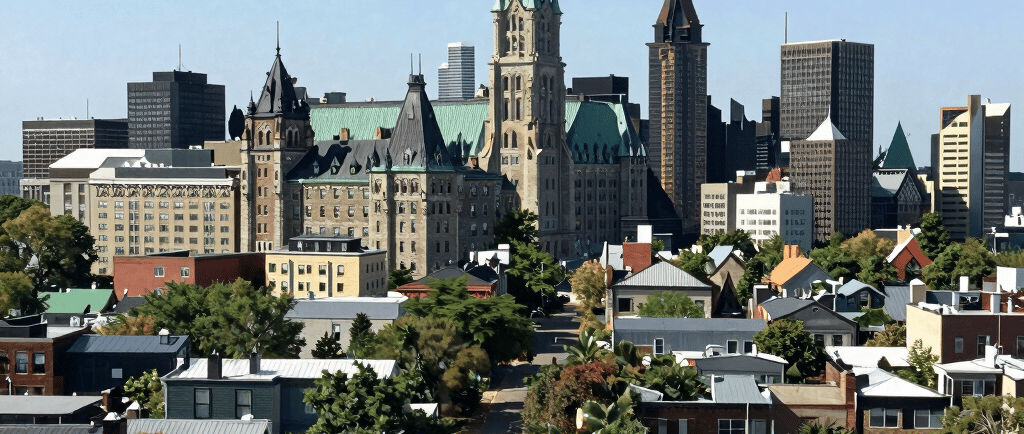
Older homes have a unique character that's difficult to find in many new developments. From century homes in The Glebe and Old Ottawa South to post-war properties in Alta Vista, Westboro, and Vanier, Ottawa offers a wide variety of established neighbourhoods with mature trees, larger lots, and timeless architecture.
While these homes often have charm and history, they can also hide costly issues that aren't obvious during a showing.
Whether you're purchasing your first home or adding to your real estate portfolio, understanding what to look for in an older property can help you avoid unexpected repairs and make a more informed investment.
What Is Considered an Older Home?
There isn't a single definition, but many professionals consider homes built more than 30 to 40 years ago to be older properties.
In Ottawa, this includes homes built:
Before the 1950s
During the 1950s–1970s suburban expansion
Throughout the 1980s, where some original systems may now be reaching the end of their service life
Age alone doesn't determine a home's condition. A well-maintained 70-year-old home may be in better shape than a poorly maintained property built only 20 years ago. The key is understanding the condition of its major systems and components.
Why Older Homes Require Extra Attention
Unlike newer homes, older properties have experienced decades of weather, renovations, and everyday wear.
Ottawa's climate adds additional stress through:
Freeze-thaw cycles
Heavy snow loads
Spring moisture
High humidity during summer
Long heating seasons
Over time, these conditions can affect foundations, roofing, windows, insulation, plumbing, and exterior finishes.
A professional home inspection helps identify concerns before they become expensive surprises.
1. Foundation and Structural Movement
Foundation cracks are among the most common findings during inspections of older Ottawa homes.
Not every crack indicates a structural problem, but it's important to determine whether movement is active or simply part of normal aging.
Look for:
Horizontal cracks
Large stair-step cracks in masonry
Water penetration
Uneven floors
Doors or windows that no longer close properly
Ottawa's clay soils and seasonal freeze-thaw cycles can contribute to movement over time.
2. Roofing and Attic Condition
The roof protects every other component of the home.
Older roofs may show signs of:
Aging shingles
Flashing deterioration
Poor ventilation
Ice dam damage
Previous patch repairs
Inside the attic, inspectors also evaluate:
Insulation levels
Ventilation
Moisture staining
Evidence of leaks
Signs of mold
3. Electrical Systems
Electrical systems have changed significantly over the years.
Depending on the age of the home, inspectors may encounter:
Aluminum branch wiring
Older electrical panels
Limited outlet availability
Ungrounded receptacles
DIY electrical modifications
Older systems aren't automatically unsafe, but they should be evaluated for safety and compatibility with today's electrical demands.
4. Plumbing Systems
Many older homes contain plumbing materials that may be nearing the end of their expected lifespan.
Depending on the home's age, inspectors may find:
Galvanized steel piping
Copper plumbing
Older drain lines
Signs of previous leaks
Corrosion
Low water pressure
Water damage can often remain hidden behind finished walls, making a professional inspection especially valuable.
5. Heating and Cooling Equipment
Heating systems are one of the largest investments in any home.
During an inspection, attention is given to:
Furnace age
Visible condition
Airflow
Filter maintenance
Distribution system
General operation
Air conditioners, heat pumps, and ventilation systems are also evaluated when present.
Knowing the approximate age of HVAC equipment helps buyers plan for future replacement costs.
6. Windows and Doors
Many older homes still have original windows.
Common findings include:
Broken seals
Drafts
Damaged weatherstripping
Rot around wood frames
Condensation between panes
Improving window performance can significantly reduce heating costs during Ottawa winters.
7. Insulation and Energy Efficiency
Energy efficiency standards have changed considerably over the past several decades.
Older homes may have:
Limited attic insulation
Poor air sealing
Heat loss around doors and windows
Inadequate ventilation
While these aren't always defects, they may affect comfort and monthly utility costs.
8. Basement Moisture
Ottawa's changing seasons can make basements particularly susceptible to moisture.
Inspectors often look for:
Efflorescence
Water staining
Foundation seepage
Mold indicators
Humidity concerns
Drainage issues
Addressing moisture early helps protect both the structure and indoor air quality.
9. Previous Renovations
Many older homes have undergone renovations over the years.
Some improvements are professionally completed, while others may show signs of poor workmanship.
Inspectors evaluate visible areas for indications of:
Incomplete work
Improper installations
Structural modifications
Plumbing or electrical alterations
A thorough inspection provides valuable insight into the overall quality of previous renovations.
10. Exterior Drainage
Water should always flow away from the home.
Inspectors examine:
Property grading
Downspout extensions
Gutters
Drainage patterns
Areas where water may collect
Good drainage plays an important role in protecting foundations from moisture-related problems.
Are Older Homes Still Worth Buying?
Absolutely. Many of Ottawa's most desirable neighbourhoods consist primarily of older homes.
These properties often offer:
Larger lots
Mature landscaping
Established communities
Solid construction
Architectural character
Convenient locations
The goal isn't to avoid older homes—it's to understand their condition before you buy.
Why a Professional Home Inspection Matters
A home inspection gives buyers a clearer understanding of a property's visible condition.
Rather than relying solely on cosmetic appearance, an inspection evaluates major systems and components so buyers can make informed decisions.
An inspection can help you:
Better understand the home's condition
Plan future maintenance
Budget for repairs or replacements
Identify safety concerns
Reduce unexpected surprises after closing
Older homes can provide exceptional value, character, and long-term enjoyment when purchased with the right information.
Every home has its own maintenance history, strengths, and areas that deserve attention. A professional inspection helps you understand those details so you can move forward with greater confidence.
Whether you're considering a century home in The Glebe, a bungalow in Alta Vista, or a family home in Nepean, taking the time to understand the property's condition is one of the smartest investments you can make.
Frequently Asked Questions
Should I skip a home inspection on an older home?
No. Older homes often contain aging systems and hidden issues that may not be visible during a showing.
Are foundation cracks common in Ottawa?
Yes. Due to Ottawa's freeze-thaw cycles and local soil conditions, foundation cracks are relatively common. A home inspection helps determine whether they're cosmetic or require further evaluation.
Can older electrical systems still be safe?
Many older systems continue to function well, but they should be evaluated for safety and suitability based on the home's age, condition, and visible installation.
Is buying an older home a bad investment?
Not at all. Many older homes are excellent investments when properly maintained. Understanding their condition through a professional inspection helps buyers make informed decisions.