🎁 Fall Bonus: Every inspection includes a FREE Home Maintenance Manual!

Poly-B Plumbing in Ottawa: What Homeowners and Buyers Need to Know
Does your Ottawa home have Poly-B plumbing? Learn what Poly-B piping is, why it can fail over time, warning signs to watch for, and what buyers should know before purchasing a home.
OTTAWA HOMEOWNER INSIGHTS
5/22/20263 min read
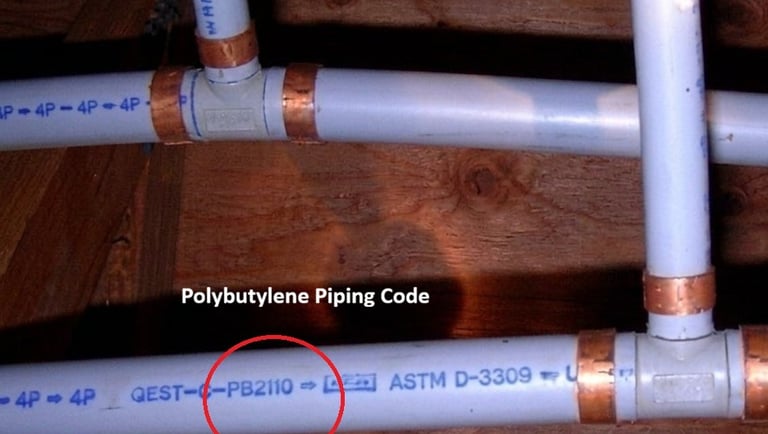
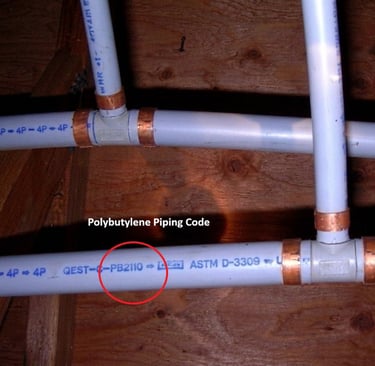
If you're buying a home built during the late 1980s or 1990s, there's a chance it may contain Poly-B (polybutylene) plumbing. While this plumbing material was widely used because it was affordable and easy to install, it has become a concern for many homeowners due to its long-term reliability.
Understanding whether a home has Poly-B plumbing—and what it means—can help you make informed decisions before buying, selling, or planning future maintenance.
What Is Poly-B Plumbing?
Poly-B, short for polybutylene, is a flexible plastic water supply pipe that was commonly installed in homes across Canada from approximately 1978 to the late 1990s.
It was considered an innovative alternative to copper because it was:
Less expensive
Faster to install
Resistant to corrosion
Flexible enough to reduce the number of fittings required
Today, however, many homes with Poly-B plumbing are approaching or have exceeded the expected service life of the material.
Why Has Poly-B Become a Concern?
Research and field experience have shown that Poly-B piping may degrade internally over time. One contributing factor is prolonged exposure to oxidants commonly used in municipal water treatment, such as chlorine and chloramines. These chemicals can gradually affect the pipe material from the inside, increasing the likelihood of micro-fractures, leaks, or sudden failures.
Other factors that may contribute include:
Age of the plumbing system
Water pressure
Hot water exposure
Installation quality
Mechanical stress at fittings and connections
Not every Poly-B system will fail, but understanding the potential risks is important when evaluating a home.
Why Is This Relevant in Ottawa?
Many Ottawa neighbourhoods experienced significant residential development during the late 1980s and 1990s—the same period when Poly-B plumbing was widely installed.
Homes built during this era may still have original Poly-B water supply piping unless it has been replaced during renovations.
If you're purchasing a home from this period, it's worthwhile to determine:
Whether Poly-B plumbing is present
Its visible condition
Whether any sections have already been replaced
Whether there are signs of previous leaks or repairs
Warning Signs of Aging Poly-B Plumbing
Although deterioration often occurs inside the pipe, homeowners should watch for:
Water stains on ceilings or walls
Small recurring leaks
Damp areas around plumbing connections
Reduced water pressure
Previous patch repairs
Evidence of water damage near mechanical rooms
Because internal deterioration is not always visible, the absence of leaks does not necessarily indicate that the system is in like-new condition.
Should You Avoid Buying a Home with Poly-B Plumbing?
Not necessarily. Many homes with Poly-B plumbing continue to perform without issues. However, buyers should understand what type of plumbing is installed and consider the age and overall condition of the system as part of their purchase decision.
A professional home inspection can identify the visible plumbing material, evaluate accessible components, and note any visible signs of leakage or deterioration. Because most plumbing is concealed within walls, a standard home inspection cannot determine the condition of hidden piping or predict future failures.
Can Poly-B Plumbing Be Replaced?
Yes. Many homeowners choose to replace Poly-B plumbing during major renovations or when repeated leaks occur. Replacement options may include PEX or copper, depending on the home's layout and the recommendations of a licensed plumbing contractor.
The decision to replace the system depends on factors such as:
Age of the plumbing
History of leaks
Extent of the Poly-B installation
Planned renovations
Budget and long-term maintenance goals
What Does a Home Inspector Look For?
During a home inspection, the inspector will evaluate accessible plumbing components and may identify:
The visible pipe material
Signs of leaks or previous repairs
Water staining
Corrosion at fittings
General visible condition of the plumbing system
The inspection helps buyers understand the home's visible plumbing system and identify any areas that may warrant further evaluation by a qualified plumbing contractor.
Final Thoughts
Poly-B plumbing is one of several factors that buyers should understand when purchasing an older home in Ottawa. While its presence does not automatically mean there is a problem, it is an important component to identify and evaluate as part of the overall condition of the property.
Knowing what type of plumbing a home has—and understanding its potential maintenance considerations—allows buyers and homeowners to plan confidently and make informed decisions.
Frequently Asked Questions
Is Poly-B plumbing still used in new homes?
No. Poly-B is no longer commonly installed in residential construction.
How can I tell if my home has Poly-B plumbing?
Poly-B piping is typically grey in colour and may be stamped with markings such as "PB2110." A home inspector can often identify visible plumbing materials during an inspection.
Should I replace Poly-B plumbing immediately?
Not necessarily. The appropriate course of action depends on the system's condition, age, leak history, and recommendations from a qualified plumbing contractor.
Can a home inspection determine if Poly-B pipes will fail?
No. A visual home inspection can identify the presence and visible condition of accessible plumbing, but it cannot predict the future performance of concealed piping.