🎁 Fall Bonus: Every inspection includes a FREE Home Maintenance Manual!

Emergency Preparedness for Ottawa Homeowners: Build a 72-Hour Emergency Kit
Learn what every Ottawa homeowner should include in a 72-hour emergency kit. Be prepared for power outages, winter storms, floods, and unexpected emergencies.
OTTAWA HOMEOWNER INSIGHTS
7/3/20262 min read
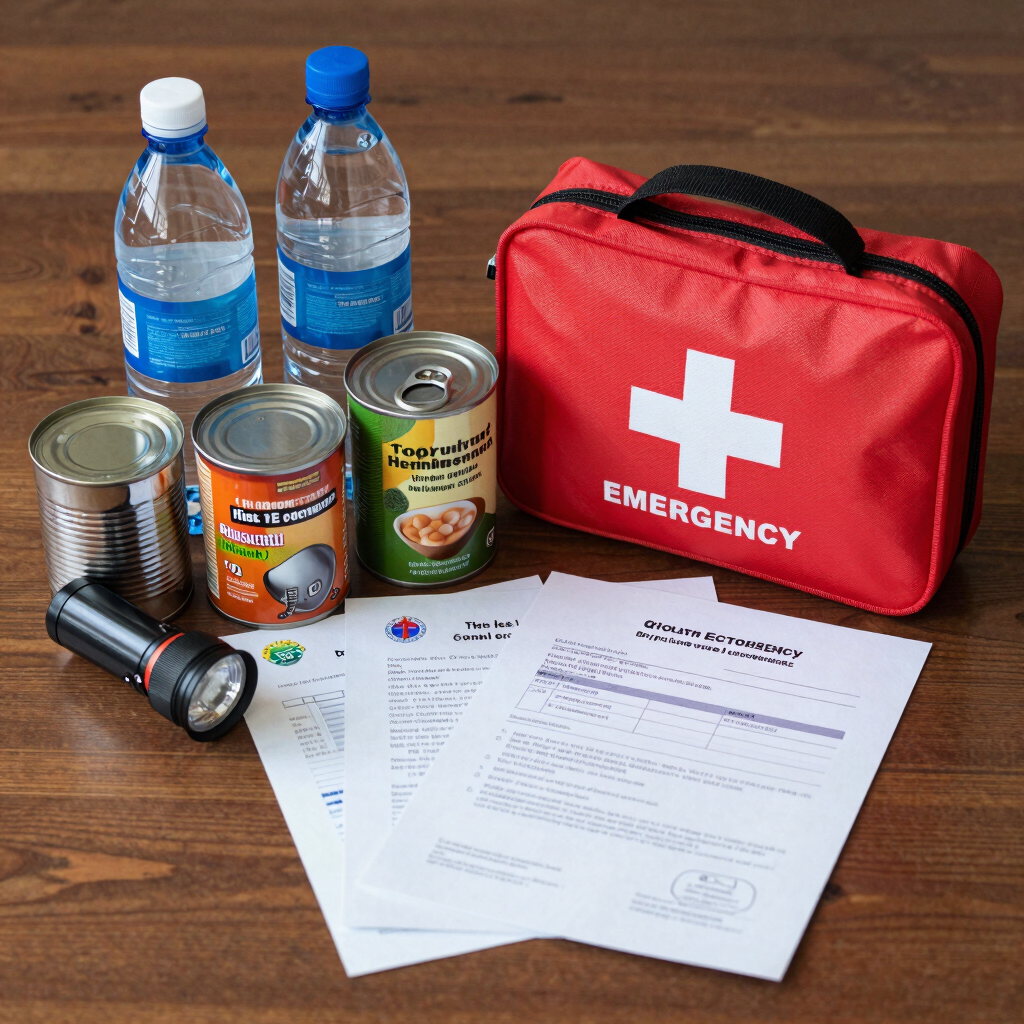
Owning a home comes with many responsibilities, and one of the most overlooked is being prepared for emergencies. Whether it's a winter ice storm, extended power outage, flood, or severe weather event, having a well-stocked emergency kit can make a significant difference for your family's safety and comfort.
At Maskan Home Inspection Services, we believe protecting your home goes beyond identifying defects—it also means helping homeowners prepare for unexpected situations.
Why Every Ottawa Home Needs an Emergency Kit
Ottawa experiences a variety of weather-related emergencies throughout the year, including:
Winter storms and heavy snowfall
Ice storms
High winds
Flash flooding
Extended power outages
Extreme cold temperatures
Having emergency supplies ready allows you to stay safe until normal services are restored.
The 72-Hour Rule
Emergency management organizations recommend every household be prepared to be self-sufficient for at least 72 hours.
This means having enough supplies for every member of your household, including children, seniors, and pets.
What Should Be in Your Emergency Kit?
Water
Store enough drinking water for everyone in your household.
At least 2 litres per person per day
Plan for a minimum of three days
Additional water for cooking and hygiene
Non-Perishable Food
Choose foods that require little or no preparation:
Canned goods
Protein bars
Peanut butter
Crackers
Dried fruit
Baby food (if needed)
Pet food
Remember to include a manual can opener.
Lighting
Power outages can occur without warning. Include:
Flashlights
Extra batteries
Battery-powered lanterns
Avoid using candles whenever possible due to fire hazards.
First Aid Kit
Your kit should contain:
Bandages
Gauze
Antiseptic wipes
Medical tape
Pain relievers
Prescription medications
Disposable gloves
Communication
Keep informed during emergencies with:
Battery-powered or hand-crank radio
Fully charged power banks
Phone charging cables
List of emergency contacts
Warm Clothing and Blankets
Ottawa winters can become dangerous if heating systems fail. Include:
Warm blankets
Sleeping bags
Extra socks
Gloves
Hats
Thermal clothing
Important Documents
Store copies of important documents in a waterproof container. Examples include:
Identification
Insurance policies
Property documents
Emergency contact information
Medical information
Digital backups are also recommended.
Basic Tools
Consider adding:
Multi-tool
Adjustable wrench
Duct tape
Rope
Work gloves
Plastic sheeting
Utility knife
Hygiene Supplies
Include:
Toilet paper
Wet wipes
Hand sanitizer
Toothbrushes
Soap
Garbage bags
Feminine hygiene products
Supplies for Children and Pets
Don't forget family members with unique needs. Examples include:
Formula
Diapers
Baby wipes
Comfort items
Pet food
Leashes
Pet medications
Where Should You Store Your Emergency Kit?
Choose a location that is:
Easy to access
Dry
Cool
Known by every member of the household
Many homeowners also keep a smaller emergency kit in their vehicle.
Check Your Kit Every Six Months
Emergency supplies need regular maintenance. Review your kit twice a year to:
Replace expired food
Replace expired medications
Test flashlights
Replace batteries
Update important documents
Emergency Preparedness Starts at Home
An emergency kit is only one part of protecting your home. Regular home maintenance and inspections can also help reduce risks before an emergency occurs.
During a professional home inspection, issues such as electrical concerns, inadequate insulation, roof problems, moisture intrusion, and safety hazards may be identified before they become costly emergencies.